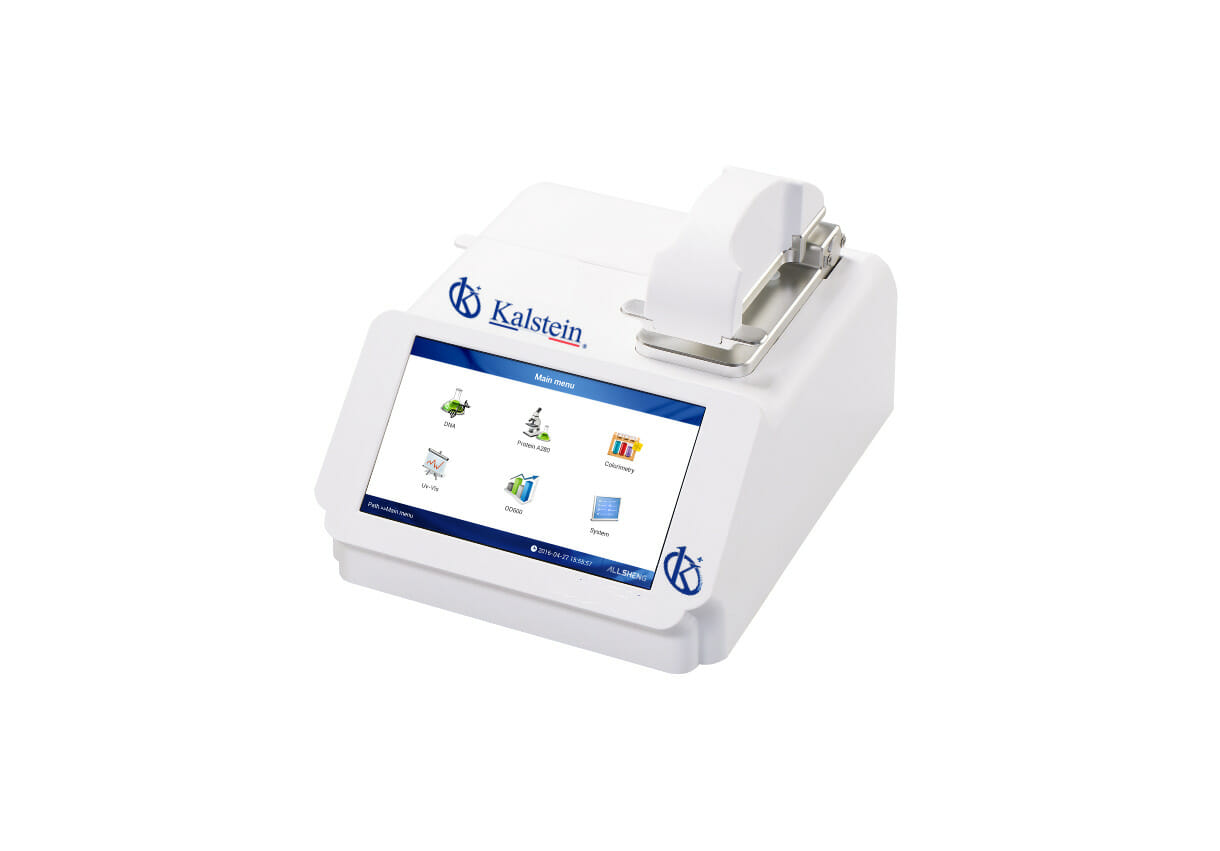
Zrównoważony rozwój energii i redukcja śladu środowiskowego w mikro-spektrofotometrach
Mikro-spektrofotometry są niezbędnymi narzędziami w nowoczesnych laboratoriach, dostarczającymi kluczowych pomiarów dla kwasów nukleinowych, białek i innych składników komórkowych. Jednak rosnące zainteresowanie zrównoważonym rozwojem energii i wpływem na środowisko skłania profesjonalistów laboratoryjnych do wyboru sprzętu, który minimalizuje ich ślad ekologiczny. Artykuł ten bada, jak różne modele mikro-spektrofotometrów osiągają efektywność energetyczną i przyczyniają się do zrównoważonego rozwoju środowiska.
Zrozumienie zrównoważonego rozwoju energii w sprzęcie laboratoryjnym
Zrównoważony rozwój energii odnosi się do efektywnego wykorzystania zasobów energetycznych przy minimalizacji wpływu ekologicznego. Mikro-spektrofotometry, takie jak YR06033-1, YR06034, YR06035 i YR06033, są zaprojektowane do efektywnej pracy, wymagając minimalnych objętości próbek i dostarczając szybkie wyniki. Ta sekcja omawia efektywność operacyjną tych urządzeń, w tym ich zużycie energii i jak pomagają w redukcji odpadów laboratoryjnych.
Rozważania dotyczące śladu środowiskowego
Laboratoria znacząco przyczyniają się do śladu środowiskowego poprzez zużycie energii i generowanie odpadów. Przyjmując mikro-spektrofotometry, które optymalizują wykorzystanie energii, laboratoria mogą obniżyć swoje całkowite emisje węgla. Na przykład model YR06034 działa z źródłem światła LED, znacznie redukując wydatki energetyczne w porównaniu do tradycyjnych modeli. Dodatkowo, rozważania takie jak oceny cyklu życia pomagają laboratoriom w wyborze zrównoważonych opcji.
Porównanie dostępnych modeli
| Model | Zużycie energii (W) | Minimalna objętość próbki (μl) | Prędkość pomiaru (s) | Najlepszy do |
|---|---|---|---|---|
| YR06033-1 | 80-100 | 0.5-2.0 | <5 | Ilościowe oznaczanie kwasów nukleinowych |
| YR06034 | 24 | 1.0-2.0 | <6 | Pomiar czystości DNA |
| YR06035 | 80-100 | 0.5-2.0 | <6 | Zaawansowane testy biochemiczne |
| YR06033 | 80-100 | 1.0 | <5 | Ogólne zastosowanie laboratoryjne |
Maksymalizacja efektywności energetycznej w mikro-spektrofotometrach
Aby promować zrównoważony rozwój energetyczny, laboratoria powinny wybierać modele zaprojektowane z energooszczędnymi komponentami. Mikrospektrofotometry, takie jak YR06035, są wyposażone w ekrany dotykowe i działają niezależnie, eliminując potrzebę zewnętrznych komputerów. Ta funkcja nie tylko oszczędza energię, ale także zwiększa mobilność. Efektywne wykorzystanie energii przekłada się bezpośrednio na niższe koszty operacyjne i zmniejszony ślad węglowy.
Strategie redukcji odczynników i odpadów
Mikrospektrofotometry wymagają minimalnych rozmiarów próbek, co prowadzi do zmniejszonego zużycia odczynników i odpadów. Model YR06034, na przykład, działa efektywnie przy zaledwie 1-2 μl próbki, co bezpośrednio przyczynia się do niższych kosztów odczynników i mniejszej produkcji odpadów. Techniki takie jak ponowne wykorzystanie próbek po pomiarach mogą dodatkowo zminimalizować odpady, zgodnie z zasadami zrównoważonego rozwoju w laboratoriach.
Ocena cyklu życia mikrospektrofotometrów
Przeprowadzenie oceny cyklu życia (LCA) może pomóc laboratoriom zrozumieć wpływ ich sprzętu na środowisko przez cały okres jego użytkowania. Analiza ta obejmuje produkcję, efektywność operacyjną i utylizację. Wybieranie mikrospektrofotometrów z materiałów nadających się do recyklingu, takich jak te wykonane z aluminium i kwarcu, pomaga zmniejszyć ogólny ślad ekologiczny.
Typowe błędy i jak ich unikać
Laboratoria często pomijają implikacje środowiskowe swoich wyborów sprzętowych. Jednym z typowych błędów jest niebranie pod uwagę efektywności energetycznej jako kluczowego kryterium wyboru. Aby tego uniknąć, laboratoria powinny ocenić specyfikacje techniczne każdego modelu, takie jak zużycie energii i wymagane objętości próbek, aby upewnić się, że są zgodne z celami zrównoważonego rozwoju.
Najczęściej zadawane pytania
Jak mikrospektrofotometry zmniejszają ślad węglowy w laboratoriach?
Mikrospektrofotometry, takie jak YR06034, minimalizują wpływ na środowisko, wymagając tylko 1-2 μl próbek i używając źródeł światła LED, co znacząco redukuje zużycie energii i odpady odczynników.
Który mikrospektrofotometr jest najlepszy pod względem efektywności energetycznej?
Model YR06034 wyróżnia się dzięki niższemu zużyciu energii wynoszącemu 24 waty i efektywnej pracy przy minimalnej objętości próbki, co czyni go odpowiednim dla laboratorium dbającego o środowisko.
Jakie jest typowe zużycie energii mikrospektrofotometrów?
Zużycie energii różni się w zależności od modelu, przy czym YR06033-1 i YR06035 zużywają od 80 do 100 watów. Jednak YR06034 działa efektywnie przy zaledwie 24 watach.
Jak mogę ocenić zrównoważony rozwój mikrospektrofotometru?
Aby ocenić zrównoważony rozwój, oceń zużycie energii modelu, możliwość recyklingu materiałów oraz minimalną objętość próbki. YR06034 jest dobrym przykładem, ponieważ jego efektywny design przyczynia się do mniejszego wpływu ekologicznego.
Jaką rolę odgrywa objętość próbki w zrównoważonym rozwoju mikrospektrofotometrów?
Mniejsze objętości próbek, takie jak te używane w YR06033-1, przyczyniają się do zrównoważonego rozwoju poprzez zmniejszenie zużycia odczynników i odpadów, co ostatecznie obniża wpływ laboratorium na środowisko.
Jak ocena cyklu życia odnosi się do mikrospektrofotometrów?
Ocena cyklu życia mikrospektrofotometrów ocenia ich wpływ na środowisko od produkcji do utylizacji. Modele takie jak YR06035, wykonane z materiałów nadających się do recyklingu, są korzystne w tym kontekście.
Jakie cechy powinienem szukać w zrównoważonym mikrospektrofotometrze?
Szukaj cech takich jak źródła światła LED, minimalne zużycie energii i niskie wymagania dotyczące objętości próbki. YR06034 ilustruje te aspekty, co czyni go zrównoważonym wyborem dla laboratoriów.
Jak mogę zmniejszyć odpady odczynników podczas korzystania z mikrospektrofotometrów?
Korzystanie z modeli takich jak YR06034, które wymagają tylko 1-2 μl próbki, może znacznie zmniejszyć odpady odczynników. Dodatkowo, ponowne wykorzystanie próbek po pomiarze może jeszcze bardziej zwiększyć zrównoważony rozwój.
Jeśli szukasz połączenia innowacji i jakości, trafiłeś we właściwe miejsce. W Kalstein oferujemy Ci luksus odkrywania naszego ekskluzywnego katalogu sprzętu laboratoryjnego. Produkujemy każdy urządzenie zgodnie z najwyższymi standardami doskonałości. Nasze intuicyjne i bezproblemowe kanały zakupu online są zaprojektowane z myślą o Twojej wygodzie, zapewniając najkonkurencyjniejsze ceny. Nie wahaj się dłużej — przywracamy naukę do życia, czas stać się częścią naszej społeczności.