Mechanical Desktop Ultrasonic Cleaners: Practical Applications and Techniques 2026
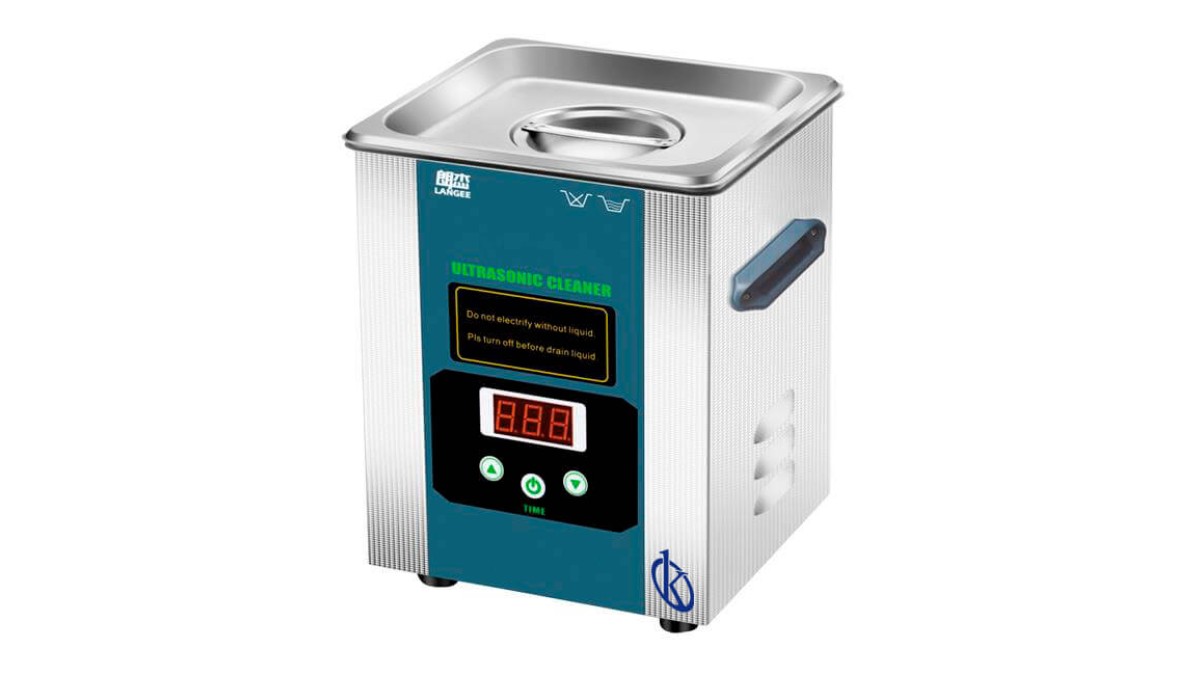
Mechanical desktop ultrasonic cleaners are innovative devices that utilize ultrasonic waves to clean a wide range of delicate items effectively. Ideal for use in laboratories, biotechnology, and academic settings, these cleaners enhance efficiency while ensuring thorough cleanliness. In this article, we will delve into their applications, best practices, and protocols in 2026, providing laboratory professionals with essential knowledge to utilize these tools effectively.
What is it used for in 2026
In 2026, mechanical desktop ultrasonic cleaners are widely used for cleaning precision instruments, laboratory glassware, jewelry, and other delicate items that require thorough cleaning without physical abrasion. Their effectiveness stems from the cavitation effect, where microscopic bubbles form and collapse, dislodging contaminants and residues from surfaces. These cleaners find applications in:
- Cleaning laboratory glassware to remove residues and contaminants.
- Restoring the shine and cleanliness of jewelry and decorative items.
- Cleaning delicate electronic components without causing damage.
- Preparing samples for analysis in research and biotechnology laboratories.
History and evolution of the technology
The concept of ultrasonic cleaning dates back to the early 20th century, gaining traction with the advent of ultrasonic technology in the 1960s. Initially used in industrial applications, the technology evolved to meet the needs of various sectors, including healthcare and research laboratories. Over the years, ultrasonic cleaners have become more sophisticated, featuring adjustable frequencies, heated tanks, and timed cycles, allowing for enhanced customization based on specific cleaning needs. By 2026, these devices are equipped with advanced microprocessor controls, enhancing their efficacy and usability in diverse environments.
How to use it step by step
Using a mechanical desktop ultrasonic cleaner involves several straightforward steps:
- Preparation: Gather the items to be cleaned and ensure they are suitable for ultrasonic cleaning.
- Fill the tank: Add the appropriate cleaning solution to the tank, ensuring it covers the items completely.
- Set the temperature: If the model has a heating feature, set the desired temperature according to the cleaning requirements.
- Choose frequency: Select the appropriate ultrasonic frequency based on the items being cleaned (e.g., 40 kHz for delicate items, 80 kHz for finer cleaning).
- Set the timer: Adjust the cleaning duration based on the level of contamination and the manufacturer's recommendations.
- Start the cleaner: Activate the ultrasonic cleaner and let it run for the set duration.
- Rinse and dry: Once the cleaning cycle is complete, rinse the items with distilled water and dry them appropriately.
Best techniques and protocols
To maximize the effectiveness of mechanical desktop ultrasonic cleaners, consider the following techniques and protocols:
- Always use a cleaning solution that is compatible with both the items being cleaned and the ultrasonic cleaner.
- Adjust the temperature for optimal cleaning; heated solutions generally yield better results.
- For heavily soiled items, pre-soak them in the cleaning solution or increase the cleaning time.
- Ensure that items do not touch each other during cleaning to prevent damage.
- After cleaning, always rinse items thoroughly to remove any residual cleaning solution.
Practical applications by laboratory type
Mechanical desktop ultrasonic cleaners have diverse applications across various laboratory types:
Biotechnology Laboratories
These cleaners are vital for preparing samples and cleaning specialized equipment, ensuring uncontaminated results in experiments.
Research Laboratories
Used for cleaning delicate instruments and ensuring glassware is free of residues, ultrasonic cleaners facilitate high-precision work.
Medical Laboratories
In medical settings, these cleaners assist in sterilizing and cleaning surgical instruments before and after procedures, enhancing safety and hygiene.
Jewelry and Art Restoration
Ultrasonic cleaners effectively restore and clean jewelry, artwork, and collectibles without damage, preserving their integrity.
Regulations, standards and certifications
Users must adhere to several regulations and standards when utilizing mechanical desktop ultrasonic cleaners in laboratory settings. These include:
- Complying with ISO standards for cleanliness and safety in laboratory environments.
- Following guidelines for hazardous materials management, especially when cleaning items that could introduce contaminants.
- Ensuring that cleaning solutions used are compliant with local regulations regarding chemical safety and disposal.
Comparison with alternative technologies
Mechanical desktop ultrasonic cleaners offer several advantages over alternative cleaning technologies:
- Traditional Cleaning Methods: Unlike manual scrubbing, ultrasonic cleaning is non-abrasive and reaches intricate surfaces.
- Steam Cleaning: While steam cleaning can sanitize, ultrasonic cleaners are more effective for removing stubborn residues and contaminants.
- Dry Ice Blasting: This method is effective for certain applications but can be more labor-intensive compared to the automated nature of ultrasonic cleaning.
Comparison of available models
| Model | Best for | Key specs | Recommended use case |
|---|---|---|---|
| YR05207 | Jewelry and delicate items | 1.3L capacity, 40kHz frequency, 70W power | Cleaning jewelry, eyeglasses, and other small items |
| YR05202 | Laboratory and medical equipment | 11L capacity, 40/80/120kHz frequency, 240W power | Cleaning larger laboratory instruments |
| YR05203 | Laboratory and medical tools | 15L capacity, 40/80/120kHz frequency, 360W power | Cleaning surgical instruments and glasses |
| YR05204 | Laboratory cleaning | 20L capacity, 40/80/120kHz frequency, 360W power | General lab cleaning applications |
| YR05205 | Complex and larger items | 22L capacity, 40/80/120kHz frequency, 480W power | Cleaning complex laboratory equipment |
| YR05206 | Heavy-duty laboratory use | 30L capacity, 40/80/120kHz frequency, 600W power | High-volume cleaning tasks |
Common mistakes and how to avoid them
Many users encounter pitfalls when using ultrasonic cleaners. Common mistakes include:
- Overloading the tank: Ensure items do not touch each other to avoid damage and ensure effective cleaning.
- Using improper cleaning solutions: Always select solutions that are recommended for ultrasonic cleaning to avoid damaging items.
- Neglecting to rinse: Failing to rinse items post-cleaning can leave residues that impair functionality.
Maintenance, calibration and good practices 2026
To ensure optimal performance of mechanical desktop ultrasonic cleaners, regular maintenance is crucial. Follow these practices:
- Regularly clean the tank and replace the cleaning solution as needed.
- Check and calibrate the ultrasonic frequency settings periodically to ensure accuracy.
- Inspect and maintain the heating element to ensure it operates efficiently.
- Document maintenance activities to maintain compliance with laboratory standards.
Cost-benefit analysis 2026
Investing in mechanical desktop ultrasonic cleaners provides several benefits:
- Efficiency: These cleaners save time and labor compared to manual cleaning.
- Effectiveness: They provide superior cleaning that traditional methods cannot achieve.
- Durability: Many models are built to last, ensuring a good return on investment.
In 2026, the cost of these devices typically ranges from $43 to $810, depending on features and specifications, making them accessible for a range of laboratory budgets.
Frequently asked questions
How do I choose the right ultrasonic cleaner for my laboratory?
Consider the size, capacity, frequency settings, and specific cleaning needs of your laboratory when selecting an ultrasonic cleaner. Ensure that the model aligns with the types of items you will be cleaning.
Can I use any cleaning solution in my ultrasonic cleaner?
No, it's important to use cleaning solutions specifically designed for ultrasonic cleaning to avoid damaging the items and ensuring effective cleaning.
What is the ideal temperature for ultrasonic cleaning?
The ideal temperature varies based on the items being cleaned and the solution used, but generally, warmer solutions yield better results. Typically, temperatures between 40-60°C are effective.
How often should I clean the ultrasonic tank?
It is recommended to clean the ultrasonic tank after every use or when changing the cleaning solution to ensure optimal performance and prevent contamination.
Are there any items I should not clean with ultrasonic cleaners?
Avoid cleaning items that are sensitive to heat or water, such as certain electronics, delicate fabrics, and porous materials that could absorb moisture.
How long should I run the ultrasonic cleaner?
The run time will depend on the level of soiling; however, a typical cycle ranges from 5-30 minutes. Always refer to the manufacturer's guidelines for specific recommendations.
Where can I find more information about ultrasonic cleaners?
You can find additional information and resources through manufacturers' websites, laboratory equipment suppliers, and industry-related publications.
If you are looking for a fusion of innovation and quality, you have come to the right place. At Kalstein, we offer you the luxury of exploring our exclusive catalog of laboratory equipment. We manufacture every device to the highest standards of excellence. Our intuitive and seamless online purchasing channels are designed for your convenience, securing the most competitive prices. Hesitate no longer — we bring science to life, it is time to become part of our community.