Laboratory Microscopes and Fluid Handling Pipettes: Applications in Research, Biotechnology, and Academia 2026
What is it used for in 2026
Laboratory microscopes and fluid handling pipettes play critical roles in various fields such as research, biotechnology, and academia in 2026. Microscopes are essential for observing small specimens, while pipettes are vital for precise liquid handling.
History and evolution of the technology
The development of microscopes dates back to the 17th century, evolving from simple lenses to sophisticated optical devices capable of high magnification. Fluid handling pipettes have also evolved, transitioning from manual to automated systems that enhance accuracy and efficiency.
How to use it step by step
To effectively use laboratory microscopes and fluid handling pipettes:
- Start by setting up the microscope on a stable surface, ensuring proper lighting.
- Prepare the sample slides for microscopic examination.
- For pipettes, choose the appropriate model based on volume needs and calibrate as necessary.
- Practice proper pipetting techniques to avoid contamination.
- Observe and record findings through the microscope and apply the pipetting results to your experiments.
Best techniques and protocols
Employ best practices such as using sterile tools, regularly calibrating equipment, and maintaining a clean workspace to ensure accurate results in laboratory settings.
Practical applications by laboratory type
In various laboratories:
- Research Laboratories: Use microscopes for cellular studies and pipettes for chemical analysis.
- Biotechnology Labs: Apply these tools in genetic engineering and microbiological assays.
- Academic Institutions: Facilitate hands-on learning and experimentation in biological and chemical courses.
Regulations, standards and certifications
Laboratory equipment must comply with international standards such as ISO and ASTM, ensuring safety, accuracy, and reliability in scientific research and applications.
Comparison with alternative technologies
While traditional microscopes and manual pipettes are still widely used, advancements have introduced digital microscopes and automated pipetting systems that offer more efficiency and integration with data analysis software.
Comparison of available models
| Model | Best for | Key specs | Recommended use case |
|---|---|---|---|
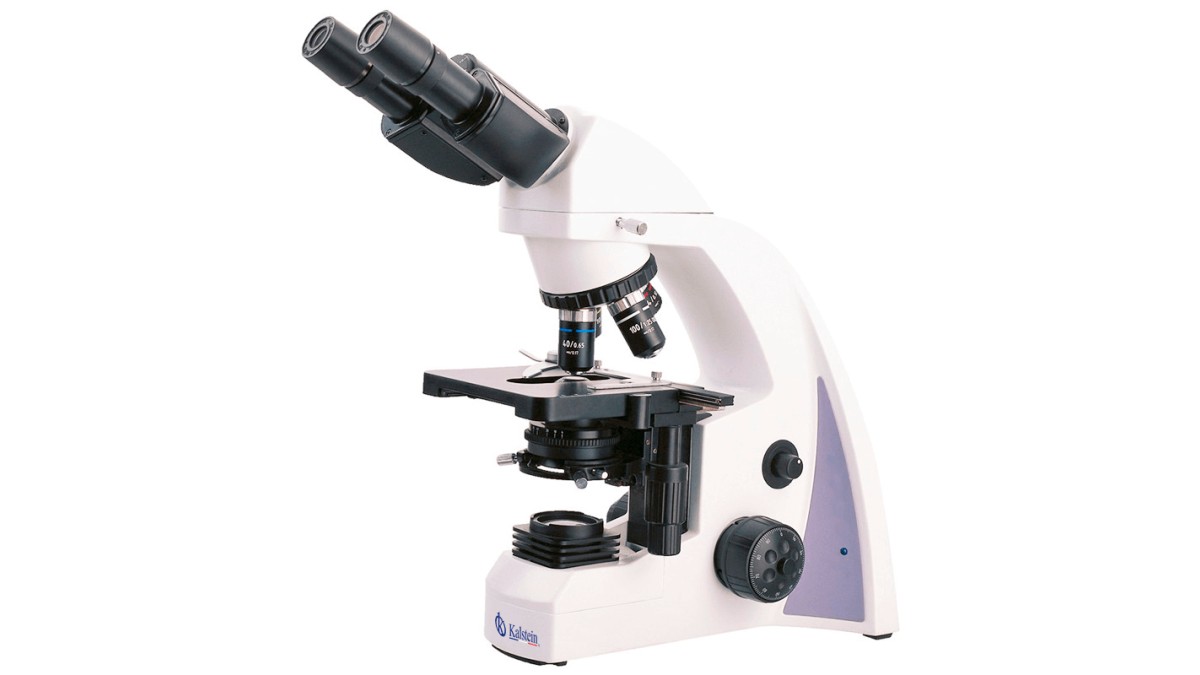
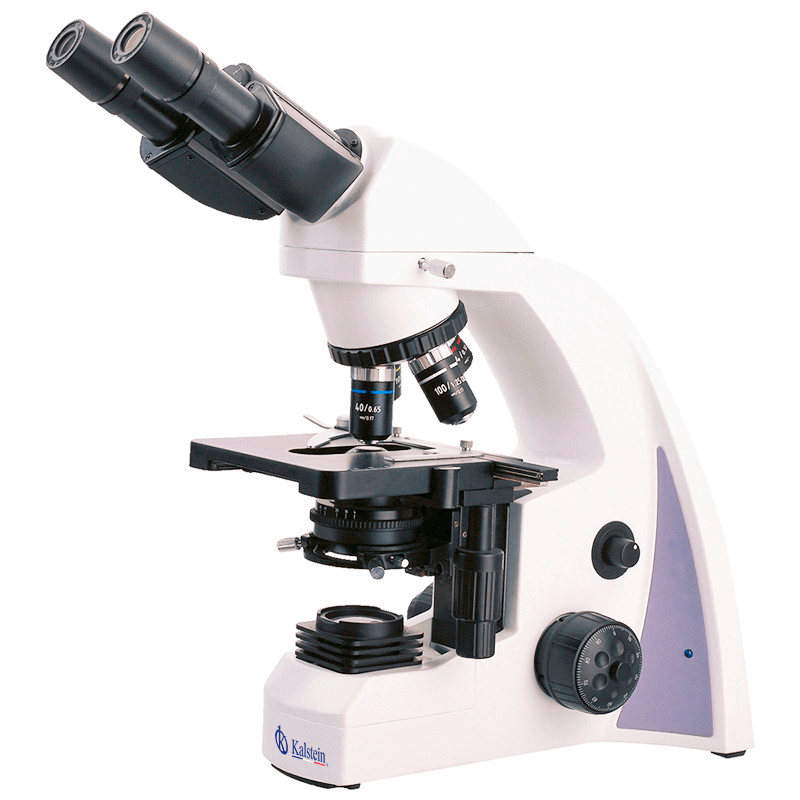
| YR0237-0-1 | Cellular observation | Binocular head, WF 10x/18 mm eyepieces, Infinity semi-plan achromatic objectives | Ideal for biological studies, histology, and educational purposes |
| YR0237-1 | Advanced microscopy | Trinocular head, mechanical stage, N.A 1.25 condenser | Suited for extensive research in biosciences |
| YR0237-1-1 | High-detail observations | Enhanced optics, versatile functionality | Perfect for laboratory environments focusing on detailed specimen analysis |
| YR03731-1 | Small volume liquid handling | 10 μl volume range, ±1.0% accuracy | Ideal for precise applications in microbiology |
| YR03731-2 | General lab use | 20 μl volume range, ±1.0% accuracy | Recommended for sequential dilutions and assays |
| YR03731-3 | Medium volume handling | 25 μl volume range, ±1.0% accuracy | Utilized in various biochemical assays |
Common mistakes and how to avoid them
Common mistakes in using microscopes and pipettes include improper calibration, contamination, and inadequate sample preparation. Avoid these by following protocols, maintaining equipment, and regularly training personnel.
Maintenance, calibration and good practices 2026
Regular maintenance of microscopes and pipettes is essential. Clean lenses, calibrate pipettes frequently, and store equipment properly to ensure longevity and accuracy.
Cost-benefit analysis 2026
Investing in quality laboratory microscopes and fluid handling pipettes provides significant long-term benefits in research quality and efficiency, making them essential tools in modern laboratories.
Frequently asked questions
What factors should I consider when choosing a laboratory microscope?
Consider the type of specimens you will be examining, the required magnification, and whether you need additional features such as a trinocular head for imaging.
How can I ensure accurate pipetting?
Ensure that your pipette is calibrated, use proper pipetting techniques, and avoid excessive force when pipetting to ensure accuracy.
What are the ideal conditions for using a microscope?
Ensure adequate lighting, a stable surface, and a clean environment to minimize distractions and contaminants while observing specimens.
Where can I find information on maintaining lab equipment?
Refer to the manufacturer's guidelines for maintenance protocols, and consider attending training workshops for hands-on learning.
Why is calibration important for pipettes?
Calibration ensures that pipettes dispense the correct volume accurately, which is crucial for reliable experimental results.
Can I use different types of tips with my pipette?
Yes, but ensure compatibility with your pipette model to avoid inaccuracies and potential damage.
How do I request a quote for laboratory equipment?
To request a quote, contact the sales department through our designated channels for personalized assistance.
If you are looking for a fusion of innovation and quality, you have come to the right place. At Kalstein, we offer you the luxury of exploring our exclusive catalog of laboratory equipment. We manufacture every device to the highest standards of excellence. Our intuitive and seamless online purchasing channels are designed for your convenience, securing the most competitive prices. Hesitate no longer — we bring science to life, it is time to become part of our community.