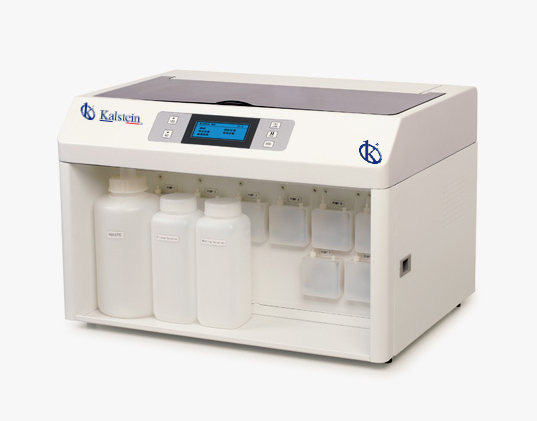
How to Integrate Food Safety Analyzers with LIMS for Data Digitalization?
The integration of food safety analyzers with Laboratory Information Management Systems (LIMS) is becoming increasingly crucial for laboratories focused on improving workflow efficiency and data management. By utilizing advanced Food Safety Analyzers, laboratories can automate testing processes, reduce human error, and ensure compliance with regulatory standards. This article will delve into how various models can be integrated with LIMS and the benefits that come with digitalizing data workflow.
Understanding LIMS and Its Importance in Food Safety
A Laboratory Information Management System (LIMS) is a software-based solution that streamlines laboratory operations and data management. It handles sample tracking, data collection, and reporting, allowing for real-time data access and improved communication within laboratory teams. In the context of food safety analyzers, LIMS enables seamless data flow from the analyzer to the laboratory's database, ensuring that results are accurately recorded and readily accessible for analysis and decision-making.
Benefits of Integrating Food Safety Analyzers with LIMS
Integrating food safety analyzers with LIMS offers several advantages, including:
- Enhanced Data Accuracy: By automating data entry, the risk of human error is significantly reduced.
- Improved Compliance: LIMS can help ensure that testing processes meet industry regulations and standards, such as ISO 17025.
- Increased Efficiency: Streamlined workflows reduce the time spent on data management, allowing for quicker turnaround times in testing.
- Better Data Traceability: LIMS improves traceability of samples and results, which is essential for audits and regulatory inspections.
Integration Protocols for Food Safety Analyzers
Effective integration requires understanding the connectivity protocols that allow food safety analyzers to communicate with LIMS. Common protocols include:
- HL7: Primarily used for health-related data exchange, HL7 can also be adapted for laboratory settings.
- ASTM: This standard facilitates the transfer of data between instruments and LIMS for testing processes in the laboratory environment.
- REST APIs: RESTful APIs provide a flexible way to connect analyzers to LIMS by enabling data exchange over the web.
Key Features of Food Safety Analyzers for LIMS Integration
When selecting food safety analyzers, certain features enhance their compatibility with LIMS:
- Real-time Data Transfer: Analyzers that support real-time transmission of test results to LIMS ensure up-to-date information is available.
- Compatibility with Predefined Protocols: Analyzers that can operate using common communication protocols can be integrated more easily.
- User-friendly Software: Analyzers with intuitive software can simplify the integration process and reduce the learning curve for laboratory staff.
Comparison of Available Models
| Model | Capacity | Connectivity | Protocols Supported | Best For |
|---|---|---|---|---|
| YR06090 | Up to 40 strips per run | USB, Ethernet | HL7, ASTM | High-demand laboratories |
| YR06089 | 96 tests per plate | USB, Bluetooth | REST APIs | Laboratory and field testing |
| YR06093 | Incubation and shaking | USB | ASTM | Cell culture and Elisa tests |
Common Mistakes and How to Avoid Them
Integrating food safety analyzers with LIMS can present challenges. Common mistakes include:
- Insufficient Planning: Proper planning is essential to define integration requirements and to ensure compatibility between systems.
- Neglecting Training: Providing adequate training for staff on both LIMS and analyzers is crucial for successful integration.
- Ignoring Security Protocols: Data security should not be overlooked; ensure that integration methods comply with data protection regulations.
Frequently Asked Questions
How can I ensure my food safety analyzer is compatible with LIMS?
To ensure compatibility, consider models like the YR06089, which supports REST APIs and Ethernet connectivity. Reviewing communication protocols and checking for LIMS integration capability during the selection process is essential.
What are the key features to look for in a food safety analyzer?
Key features include real-time data transfer, compatibility with HL7 or ASTM protocols, and user-friendly software. For instance, the YR06090 model is designed to streamline high-demand laboratory processes while maintaining data integrity.
Which food safety analyzer is best for high-throughput testing?
The YR06089 model, capable of processing up to 96 tests per plate, is ideal for high-throughput testing environments. Its versatility in detecting various contaminants makes it a top choice for busy laboratories.
How does LIMS enhance data traceability in food safety labs?
LIMS enhances data traceability by automatically logging sample data throughout testing processes. Implementing a model like the YR06093 ensures that incubation and shaking processes are recorded in real-time for easy audits.
What are common integration challenges faced by laboratories?
Common challenges include software compatibility and user training. Ensuring that all laboratory staff are proficient with both the LIMS and the food safety analyzer, such as YR06090, is critical to overcoming these hurdles.
How much does a food safety analyzer integrated with LIMS cost?
Costs vary, with models like YR06089 priced around $2000. However, integration costs may also include software licensing and additional training, which should be accounted for in the total budget.
What role does data digitalization play in food safety compliance?
Data digitalization simplifies compliance with standards like ISO 17025 by allowing laboratories to maintain accurate records and facilitate reporting. Integrating analyzers like YR06090 can streamline this process significantly.
How can laboratories maximize the benefits of their food safety analyzers?
Laboratories can maximize benefits by ensuring proper integration with LIMS, continuous staff training, and regularly updating protocols. Utilizing the YR06093 for both incubation and shaking can enhance efficiency and data collection.
If you are looking for a fusion of innovation and quality, you have come to the right place. At Kalstein, we offer you the luxury of exploring our exclusive catalog of laboratory equipment. We manufacture every device to the highest standards of excellence. Our intuitive and seamless online purchasing channels are designed for your convenience, securing the most competitive prices. Hesitate no longer — we bring science to life, it is time to become part of our community.