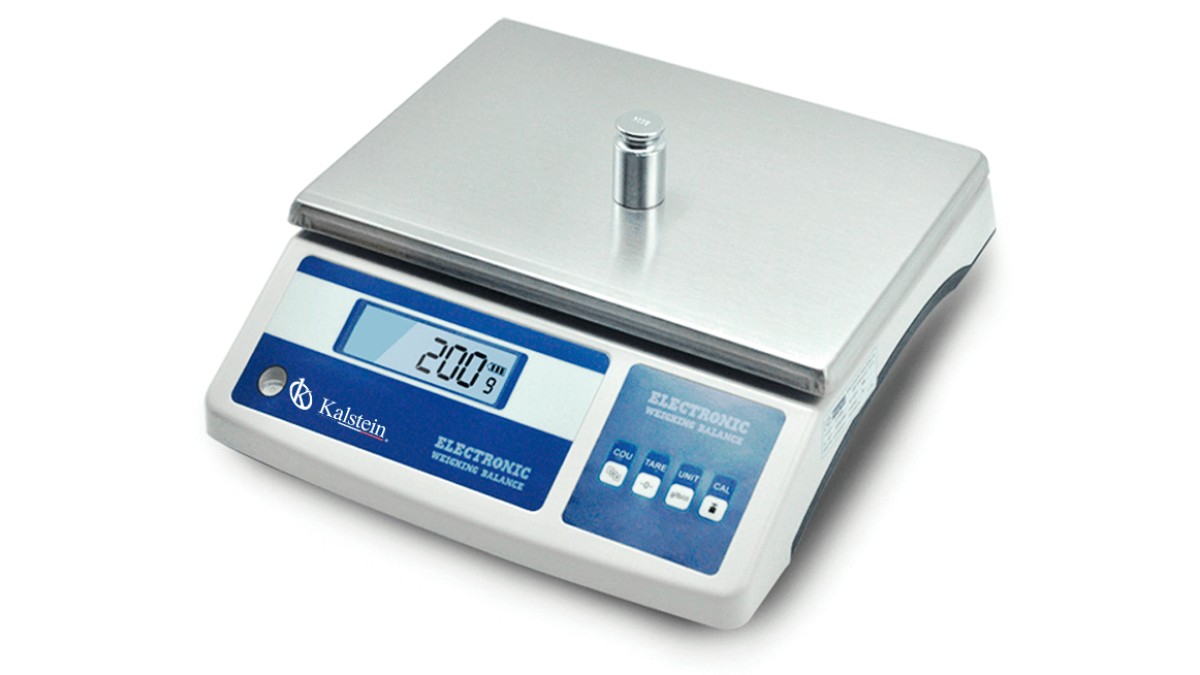
Industrial Balances: Practical Applications and Techniques 2026
Industrial balances are essential tools in various laboratory and industrial settings, providing precision and reliability in weight measurements. In 2026, these balances continue to evolve, offering advanced features and improved accuracy to meet the demands of modern laboratories.
What is it used for in 2026
In 2026, industrial balances are predominantly used for weighing a wide range of materials, from small samples in laboratories to heavy loads in industrial applications. Their high precision and wide capacity ranges make them suitable for various tasks, including:
- Quality control in manufacturing processes
- Ingredient measurement in food production
- Material handling in chemical and pharmaceutical labs
- Research and development projects requiring accurate measurements
History and evolution of the technology
The evolution of industrial balances can be traced back to early weighing scales used in trade. Over time, advancements in technology led to the development of electronic balances, which offered greater accuracy and ease of use. In the last decade, industrial balances have incorporated features such as digital readouts, automatic calibration, and connectivity options that enhance their functionality in laboratory environments.
How to use it step by step
Using an industrial balance effectively involves several steps:
- Prepare the balance: Ensure the balance is on a stable, level surface and powered on.
- Calibrate the balance: Follow the manufacturer’s instructions to calibrate the balance before use to ensure accuracy.
- Place the sample: Use appropriate containers or platforms to hold the material being weighed, ensuring it is centered on the weighing pan.
- Read the measurement: Wait for the display to stabilize before recording the weight. Use the tare function if necessary.
- Document results: Record the weight and any additional information required for your application.
Best techniques and protocols
To achieve the best results with industrial balances, adhere to the following techniques and protocols:
- Always calibrate the balance regularly to maintain precision.
- Keep the balance clean and free from contaminants.
- Use the tare function to subtract the weight of containers or other materials.
- Handle samples with care to avoid spillage or damage.
- Ensure a stable environment, free from vibrations and airflow that could affect readings.
Practical applications by laboratory type
Different types of laboratories utilize industrial balances for various applications:
Pharmaceutical Laboratories
Weighing active pharmaceutical ingredients (APIs) and excipients for formulation processes.
Chemical Laboratories
Measuring raw materials for chemical reactions and quality control assessments.
Food Testing Laboratories
Ensuring accurate ingredient measurements for product consistency and safety.
Research Institutions
Supporting research projects with precise weight measurements for experiments.
Regulations, standards and certifications
Industrial balances are subject to various regulations and standards to ensure their accuracy and reliability. Compliance with ISO standards and Good Manufacturing Practices (GMP) is crucial. Laboratories must maintain documentation and calibration records to adhere to regulatory requirements.
Comparison with alternative technologies
While industrial balances are widely used, alternative technologies exist, such as:
- Load Cells: Used in industrial scales but may lack the precision required for laboratory use.
- Mechanical Scales: Offer basic weighing capabilities but lack the advanced features of electronic balances.
- Analytical Balances: Provide higher precision but are generally limited to smaller weight capacities.
Comparison of available models
| Model | Best for | Key specs | Recommended use case |
|---|---|---|---|
| YR05606 | General laboratory use | Capacity: 11kg, Readability: 1g | Routine weighing of lab samples |
| YR05607 | Larger sample weighing | Capacity: 16kg, Readability: 1g | Food production and quality control |
| YR05608 | Medium sample weighing | Capacity: 21kg, Readability: 1g | Chemical formulation |
| YR05609 | Heavy sample weighing | Capacity: 31kg, Readability: 1g | Industrial processes |
| YR05610 | Small sample precision | Capacity: 5.1kg, Readability: 0.1g | Research experiments |
| YR05611 | Precision in small samples | Capacity: 11kg, Readability: 0.1g | Quality control in pharmaceuticals |
| YR05612 | Versatile laboratory use | Capacity: 16kg, Readability: 0.1g | Multi-purpose laboratory tasks |
| YR05613 | General laboratory weighing | Capacity: 21kg, Readability: 0.1g | Routine lab measurements |
| YR05614 | Heavy-duty weighing | Capacity: 26kg, Readability: 0.1g | Industrial applications requiring high capacity |
Common mistakes and how to avoid them
Common mistakes when using industrial balances include:
- Neglecting calibration: Always calibrate before use to ensure accurate measurements.
- Using unsuitable containers: Always use appropriate weighing vessels to avoid contamination.
- Ignoring environmental conditions: Ensure a stable environment free from vibrations and drafts.
- Not zeroing the balance: Always tare the balance before weighing to avoid inaccurate readings.
Maintenance, calibration and good practices 2026
To ensure longevity and accuracy, follow these maintenance practices:
- Regularly calibrate using certified weights.
- Keep the balance clean and free from dust and spills.
- Perform routine checks for mechanical wear and tear.
- Store in a stable environment when not in use.
Cost-benefit analysis 2026
The investment in industrial balances can be justified through:
- Increased accuracy reducing material waste.
- Time savings through efficient processes.
- Compliance with regulatory standards preventing potential fines.
Frequently asked questions
What factors should I consider when choosing an industrial balance?
Consider the balance's capacity, readability, and the specific applications you need it for. It's also important to assess the features such as tare functions and connectivity options.
How often should I calibrate my industrial balance?
It is recommended to calibrate your balance at least once a month or more frequently if used in a high-volume environment or after moving the equipment.
Can I use any container for weighing materials?
No, it is important to use containers that are compatible with the balance and will not interfere with the measurement process. Use tare functions appropriately.
What should I do if the balance shows inconsistent readings?
Check the environmental conditions, ensure the balance is calibrated, and confirm that it is on a stable surface. If problems persist, consult the manufacturer.
Are there specific maintenance practices I should follow?
Yes, regular cleaning, calibration, and checks for mechanical issues are essential for maintaining the balance's accuracy and longevity.
How can I ensure precise measurements in a busy laboratory?
Implement strict protocols for weighing, ensure regular training for staff, and maintain a clean and stable environment around the balance.
Where can I find quality industrial balances?
You can request a quote on Kalstein Plus for reliable and high-quality industrial balances suited to your laboratory needs.
If you are looking for a fusion of innovation and quality, you have come to the right place. At Kalstein, we offer you the luxury of exploring our exclusive catalog of laboratory equipment. We manufacture every device to the highest standards of excellence. Our intuitive and seamless online purchasing channels are designed for your convenience, securing the most competitive prices. Hesitate no longer — we bring science to life, it is time to become part of our community.