Electrolyte Analyzers: Best Techniques and Protocols in 2026
Electrolyte analyzers are essential devices in laboratories, particularly in clinical settings where accurate measurements of electrolytes are crucial for patient diagnosis and treatment. In 2026, these analyzers have evolved to incorporate advanced technologies and improved methodologies, ensuring that laboratory professionals can achieve reliable results efficiently. This article will guide you through the current applications, workflows, and best practices for using electrolyte analyzers.
What is it used for in 2026
In 2026, electrolyte analyzers are primarily used to measure key electrolytes in various samples, including serum, plasma, whole blood, and diluted urine. The main electrolytes measured are potassium (K), sodium (Na), chloride (Cl), calcium (Ca), and lithium (Li). These measurements are vital for diagnosing conditions such as dehydration, kidney diseases, and electrolyte imbalances. The capability to provide real-time results and perform multiple analyses has made these devices indispensable in modern laboratories.
History and evolution of the technology
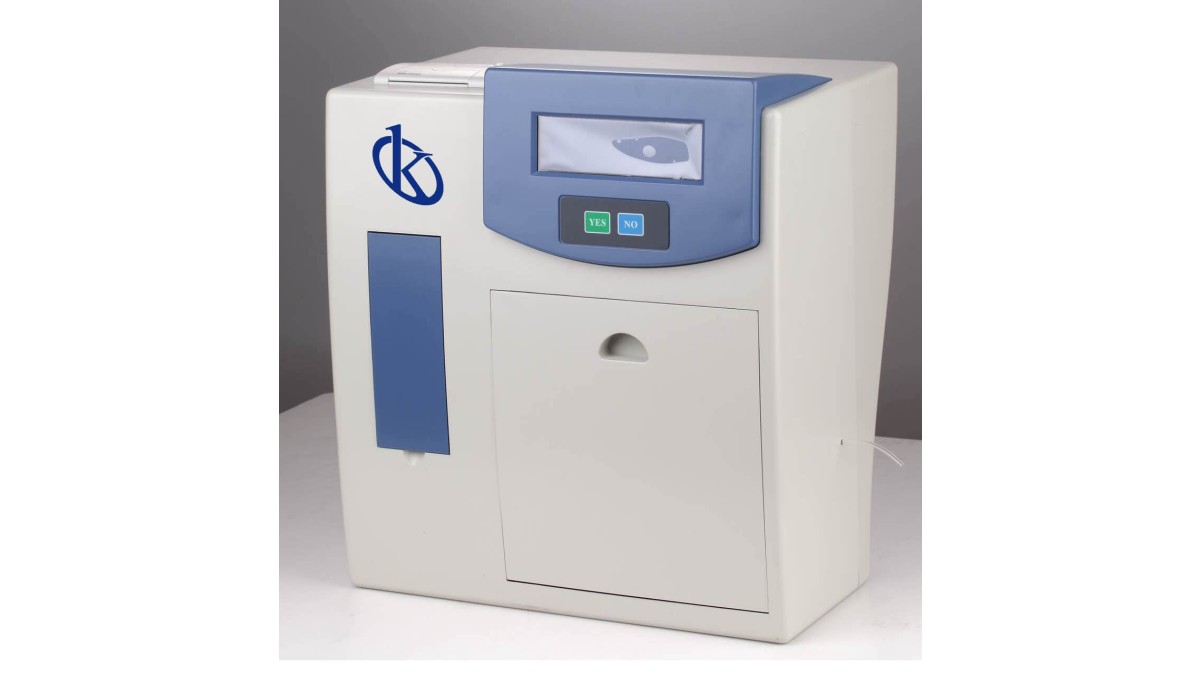
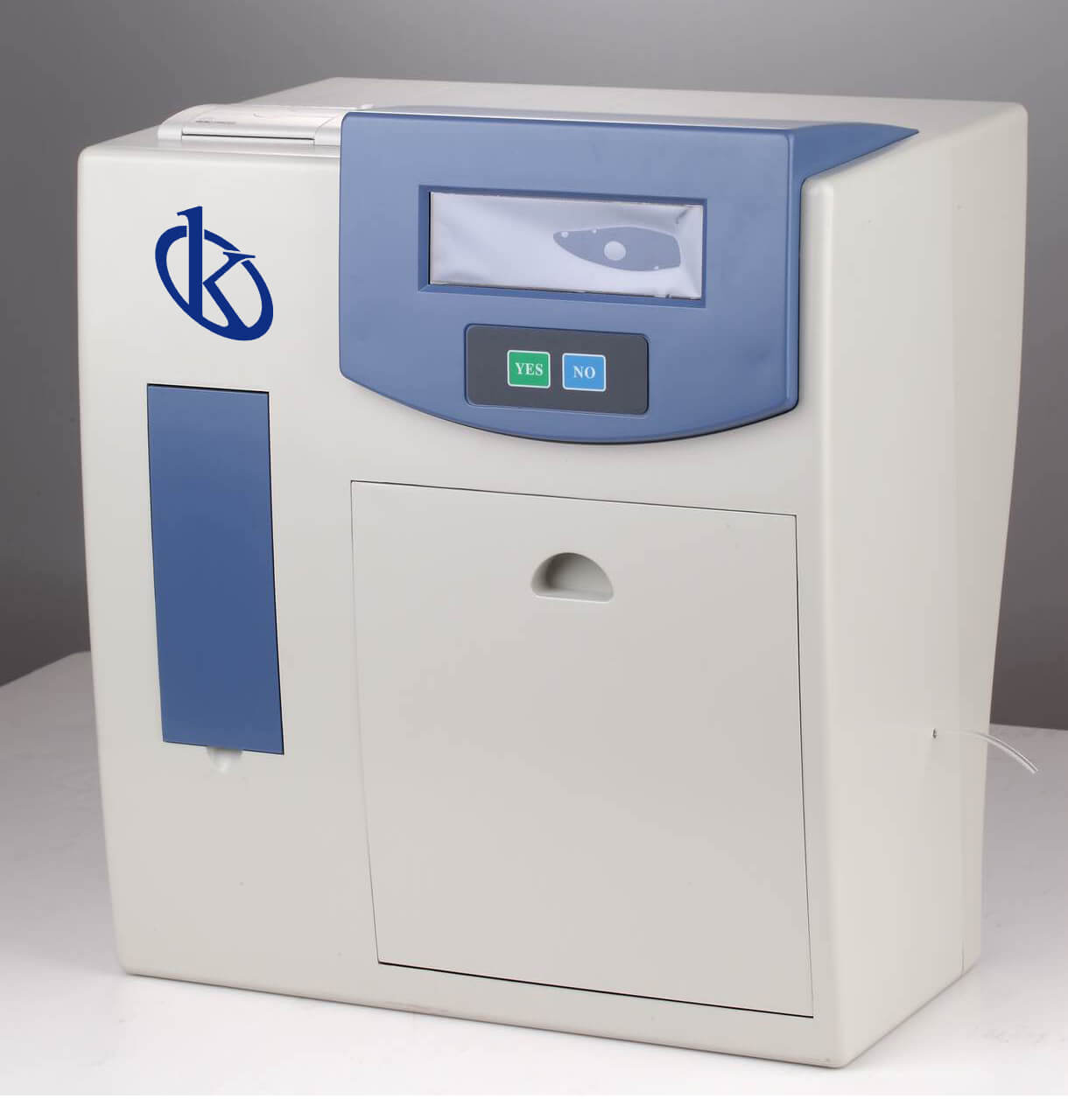
The technology behind electrolyte analyzers has significantly evolved over the years. Early models relied on manual processes and limited parameters, which were time-consuming and often led to human error. However, advancements in ion-selective electrode technology, automation, and digital interfaces have transformed these devices into highly efficient instruments. Current models, such as Electrolyte Analyzer YR05169 and YR06391, utilize automatic calibration, bubble detection, and real-time system diagnostics to enhance performance, reliability, and user experience.
How to use it step by step
Using an electrolyte analyzer involves several steps, which ensure accurate and reliable results:
- Preparation: Ensure the analyzer is calibrated and all components are functional. Check the reagents and consumables are within their expiration dates.
- Sample Collection: Collect samples (serum, plasma, or urine) using appropriate laboratory techniques to avoid contamination.
- Sample Preparation: Dilute samples if necessary and place them in designated containers.
- Loading Samples: Load the samples into the analyzer according to the manufacturer's guidelines.
- Running the Analysis: Initiate the analysis through the analyzer's interface. Monitor for any alerts or errors during the process.
- Interpreting Results: Once the analysis is complete, interpret the results based on reference ranges.
- Documentation: Record the results appropriately in your laboratory information system (LIS) for traceability.
Best techniques and protocols
Best practices for using electrolyte analyzers in 2026 include:
- Regular calibration and maintenance to ensure accuracy.
- Training laboratory staff on proper usage and troubleshooting of the devices.
- Ensuring proper sample handling to avoid contamination or degradation.
- Implementing a quality control protocol to periodically verify the accuracy of results.
- Utilizing software updates for the analyzer to take advantage of the latest features and improvements.
Practical applications by laboratory type
Electrolyte analyzers find applications in various laboratory types, each serving specific needs:
- Clinical Laboratories: For routine electrolyte testing in patients, aiding in diagnosis and treatment planning.
- Research Laboratories: For studying electrolyte balance in various physiological and pathological conditions.
- Veterinary Laboratories: For analyzing animal samples to monitor health and treatment outcomes.
Regulations, standards and certifications
In 2026, electrolyte analyzers must comply with several regulations and standards to ensure safety and reliability:
- ISO 15189: Standards for medical laboratory quality and competence.
- CLIA: Clinical Laboratory Improvement Amendments that regulate laboratory testing.
- CE Marking: Indicating conformity with health, safety, and environmental protection standards for products sold within the European Economic Area.
Comparison with alternative technologies
Electrolyte analyzers are often compared to other technologies such as spectrophotometry and chromatography. While these alternative methods can also measure electrolytes, they often require more complex procedures and longer analysis times. Electrolyte analyzers provide faster results with higher accuracy and ease of use, making them more suitable for clinical environments where time is critical.
Comparison of available models
| Model | Best for | Key specs | Recommended use case |
|---|---|---|---|
| YR05169 | Routine electrolyte analysis | Stable operation, automatic calibration, real-time diagnostics | General clinical laboratories |
| YR06391 | Fast and reliable testing | 7-inch color touch screen, low operational costs | High-throughput environments |
| YR06392 | Versatile testing across samples | Supports multiple sample types, ISE method | Clinical and research settings |
| YR06393 | Advanced electrolyte testing | Accurate, fast results with low maintenance | Specialized medical laboratories |
| YR06394 | Comprehensive electrolyte analysis | Multiple electrolyte measurements, user-friendly interface | Veterinary and clinical applications |
| YR06395 | Cost-effective analyzing | High performance, maintains accuracy | General practice and emergency settings |
Common mistakes and how to avoid them
Common mistakes when using electrolyte analyzers include:
- Improper sample handling which can lead to contamination. Always follow the proper protocol for collection and storage.
- Inadequate calibration processes. Ensure regular calibration is performed as per the manufacturer’s recommendations.
- Neglecting routine maintenance can compromise accuracy. Schedule regular maintenance checks.
Maintenance, calibration and good practices 2026
To maintain optimal performance of electrolyte analyzers in 2026, follow these practices:
- Conduct daily checks to ensure system readiness and functionality.
- Perform weekly maintenance routines, including cleaning and replacing consumable items.
- Calibrate the devices monthly or as required by the volume and variability of tests performed.
Cost-benefit analysis 2026
The cost-benefit analysis of using electrolyte analyzers in 2026 highlights the efficiency of these devices compared to traditional methods. Although initial investment may seem high, the savings on labor, time, and consumables make them a cost-effective choice. Additionally, the reliability and speed of results can lead to better patient outcomes, ultimately justifying the costs involved in acquiring advanced analyzers.
Frequently asked questions
What are the key parameters measured by electrolyte analyzers?
Electrolyte analyzers typically measure potassium (K), sodium (Na), chloride (Cl), calcium (Ca), and lithium (Li), among others, depending on the model.
How often should I calibrate my electrolyte analyzer?
Calibration frequency depends on usage and manufacturer guidelines, but it’s generally recommended to calibrate the device monthly or after significant changes in ambient conditions.
What types of samples can be analyzed?
Electrolyte analyzers can analyze various sample types, including serum, plasma, whole blood, and diluted urine.
How can I ensure accurate results?
To ensure accuracy, follow proper sample handling protocols, regularly calibrate the device, and implement a quality control program.
What is the expected lifespan of an electrolyte analyzer?
The lifespan of an electrolyte analyzer can vary based on usage and maintenance but typically ranges between 5 to 10 years with proper care.
Can I use an electrolyte analyzer for research purposes?
Yes, many electrolyte analyzers are suitable for both clinical and research applications, providing reliable data for various studies.
How do I choose the right electrolyte analyzer for my lab?
Consider factors such as the types of tests you need to perform, sample throughput, maintenance requirements, and budget when selecting an electrolyte analyzer.
If you are looking for a fusion of innovation and quality, you have come to the right place. At Kalstein, we offer you the luxury of exploring our exclusive catalog of laboratory equipment. We manufacture every device to the highest standards of excellence. Our intuitive and seamless online purchasing channels are designed for your convenience, securing the most competitive prices. Hesitate no longer — we bring science to life, it is time to become part of our community.