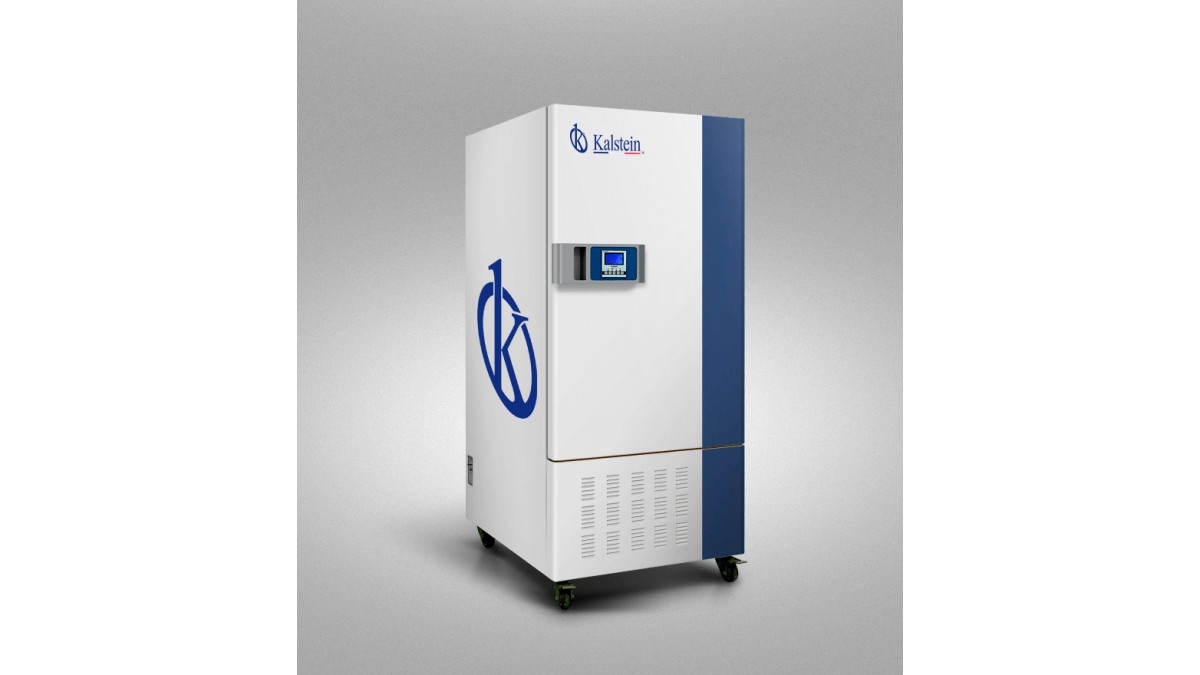
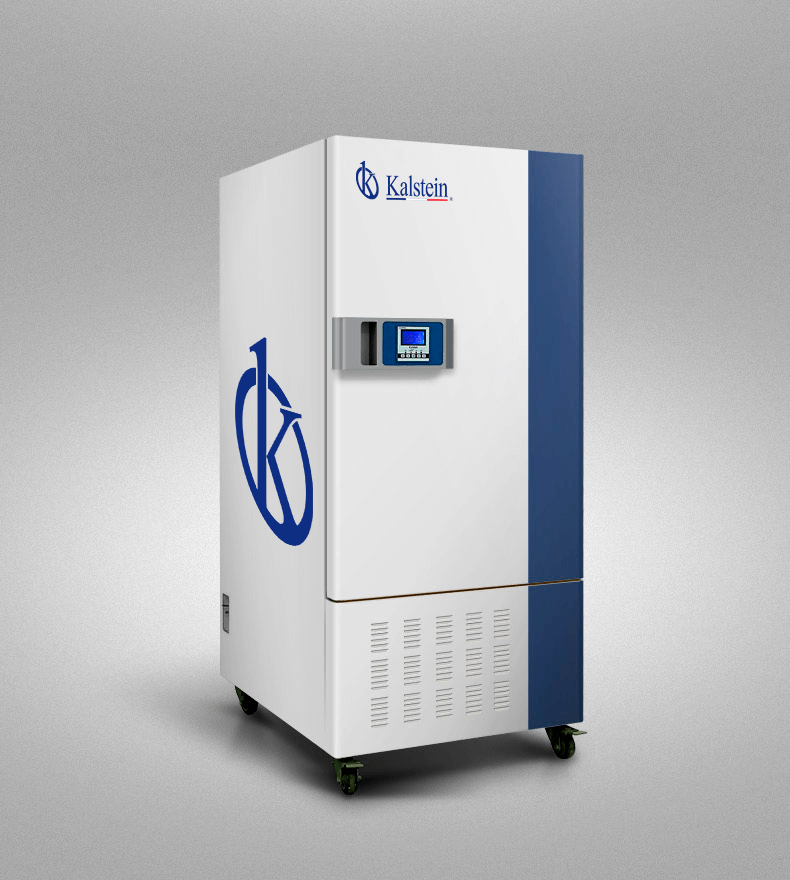
Constant Temperature and Humidity Chambers: Best Techniques and Protocols in 2026
As laboratories continue to evolve, the need for precise environmental control is paramount. Constant Temperature and Humidity Chambers are essential tools for researchers and scientists across various fields. In this article, we will delve into the functionality of these chambers, explore their historical development, provide a step-by-step guide on usage, discuss protocols, and compare different available models in 2026.
What is it used for in 2026
In 2026, Constant Temperature and Humidity Chambers are used for a variety of applications, including but not limited to:
- Stability testing of pharmaceuticals, ensuring that drugs maintain efficacy and safety over time.
- Seed germination and plant growth studies, enabling researchers to simulate various climatic conditions.
- Environmental testing of materials, including plastics and electronics, to evaluate durability and performance.
- Microbial growth studies, essential in food safety and pharmaceuticals.
- Long-term experiments that require controlled temperature and humidity settings.
History and evolution of the technology
The technology behind Constant Temperature and Humidity Chambers has evolved significantly over the years. Initially, environmental chambers were rudimentary and lacked precise control mechanisms. As the demand for accuracy grew, manufacturers began implementing advanced PID (Proportional-Integral-Derivative) control systems, enhancing stability and reliability. Today, modern chambers feature sophisticated interfaces, high-efficiency insulation, and advanced sensors, allowing for precise environmental simulations. The introduction of digital displays and programmable settings has made these chambers user-friendly and efficient.
How to use it step by step
Using a Constant Temperature and Humidity Chamber effectively involves several steps:
- Preparation: Ensure the chamber is clean and free from contaminants. Check that all equipment is functional.
- Set Parameters: Use the control panel to set the desired temperature and humidity levels based on your experimental requirements.
- Load Samples: Place samples inside the chamber, ensuring proper spacing for air circulation.
- Start the Chamber: Activate the chamber and monitor the environment, ensuring it stabilizes at the set conditions.
- Data Recording: Document observations and data regularly, using the chamber's monitoring features for accuracy.
- End of Experiment: Once completed, remove samples and clean the chamber as per manufacturer guidelines.
Best techniques and protocols
While using a Constant Temperature and Humidity Chamber, the following best practices can improve reliability and accuracy:
- Always precondition the chamber before starting experiments to allow the environment to stabilize.
- Regularly calibrate sensors to ensure accurate readings.
- Utilize insulated containers for sensitive samples to protect against environmental fluctuations.
- Implement a regular maintenance schedule, including cleaning and testing all components.
- Use data logging features to track conditions over time for comprehensive analysis.
Practical applications by laboratory type
The applications of Constant Temperature and Humidity Chambers vary by laboratory type:
- Pharmaceutical Labs: Used for stability testing and storage of temperature-sensitive medications.
- Biological Labs: Ideal for studying microbial growth, enzyme activity, and other biological processes that require specific conditions.
- Food Safety Labs: Important for simulating conditions affecting food spoilage and safety testing.
- Material Science Labs: Employed to test the durability of materials under varying environmental conditions.
Regulations, standards and certifications
Constant Temperature and Humidity Chambers must adhere to several regulations and certifications, including:
- ISO 17025 for laboratory competence.
- FDA guidelines for pharmaceutical applications.
- CE certification ensuring compliance with health and safety standards in the European market.
- ASTM standards for environmental testing protocols.
Comparison with alternative technologies
When comparing Constant Temperature and Humidity Chambers to alternative technologies such as conventional incubators and environmental test chambers, here are some key distinctions:
- Precision: Constant Temperature and Humidity Chambers offer more precise control over both temperature and humidity compared to standard incubators that may only address temperature.
- Versatility: These chambers can simulate a wider range of environmental conditions, making them suitable for various applications.
- Monitoring: Advanced monitoring systems are often integrated into these chambers, providing real-time data logging and alerts.
Comparison of available models
| Model | Best for | Key specs | Recommended use case |
|---|---|---|---|
| YR05334 | Plant and microbial growth | 0~60℃, 40~95% RH | Long-term experiments and stability testing |
| YR05335 | Pharmaceutical stability | 0~60℃, 40~95% RH | Testing drug efficacy over time |
| YR05336 | Material testing | 0~60℃, 40~95% RH | Evaluating durability of materials |
| YR05337 | Microbial studies | 0~60℃, 40~95% RH | Food safety experiments |
| YR05338 | Seed germination | 0~60℃, 40~95% RH | Plant growth research |
| YR05339 | Long-term environmental testing | 0~60℃, 40~95% RH | Various climatic condition simulations |
Common mistakes and how to avoid them
Common errors in using Constant Temperature and Humidity Chambers can significantly impact results:
- Not calibrating equipment: Regular calibration is crucial for accurate readings.
- Overloading the chamber: Ensure that airflow is not obstructed by overloading with samples.
- Failing to monitor conditions: Regularly check internal conditions and document changes.
- Ignoring maintenance schedules: Follow a routine maintenance plan to prevent equipment failure.
Maintenance, calibration and good practices 2026
To ensure longevity and optimal performance of Constant Temperature and Humidity Chambers in 2026, adhere to the following maintenance and calibration practices:
- Perform monthly inspections and clean the chamber to prevent contamination.
- Calibrate temperature and humidity sensors quarterly to ensure measurement accuracy.
- Keep a maintenance log to track repairs and calibrations.
- Use only manufacturer-approved cleaning agents to avoid damage.
Cost-benefit analysis 2026
Investing in Constant Temperature and Humidity Chambers can be substantial, but the benefits often outweigh the costs:
- High accuracy and reliability: Reduced risk of experimental errors leads to better research outcomes.
- Versatility: Ability to serve multiple applications justifies the investment.
- Improved efficiency: Streamlined workflows and reduced downtime enhance laboratory productivity.
- Long-term savings: Reliable equipment minimizes the need for frequent replacements.
Frequently asked questions
What are the key factors to consider when choosing a constant temperature and humidity chamber?
Consider the required temperature range, humidity levels, volume capacity, and specific applications you intend to conduct in the chamber. Ensure the model has adequate safety certifications and meets your laboratory’s compliance requirements.
How do I ensure accurate temperature and humidity readings?
Regular calibration of sensors, using a reliable data logging system, and maintaining a clean environment within the chamber are vital to ensuring accurate readings.
What maintenance is required for constant temperature and humidity chambers?
Regular cleaning, calibration, and scheduled maintenance checks are essential. Keep a log of all maintenance work and ensure the chamber is functioning within specified parameters.
Can I use a constant temperature and humidity chamber for diverse applications?
Yes, these chambers are highly versatile and suitable for various applications, including pharmaceuticals, material testing, and biological studies.
What should I do if the chamber does not stabilize at the set conditions?
Check for any obstructions that may hinder airflow, ensure the chamber is not overloaded, and verify that the settings are correctly programmed. If issues persist, consult the manufacturer's troubleshooting guide.
How can I optimize my workflow when using these chambers?
Implement a systematic approach to setting parameters, regularly monitor conditions, and maintain a detailed log of experiments to streamline processes and improve efficiency.
How can I request a quote for a constant temperature and humidity chamber?
You can easily request a quote on our platform. We provide competitive pricing and high-quality equipment tailored to your laboratory needs.
If you are looking for a fusion of innovation and quality, you have come to the right place. At Kalstein, we offer you the luxury of exploring our exclusive catalog of laboratory equipment. We manufacture every device to the highest standards of excellence. Our intuitive and seamless online purchasing channels are designed for your convenience, securing the most competitive prices. Hesitate no longer — we bring science to life, it is time to become part of our community.