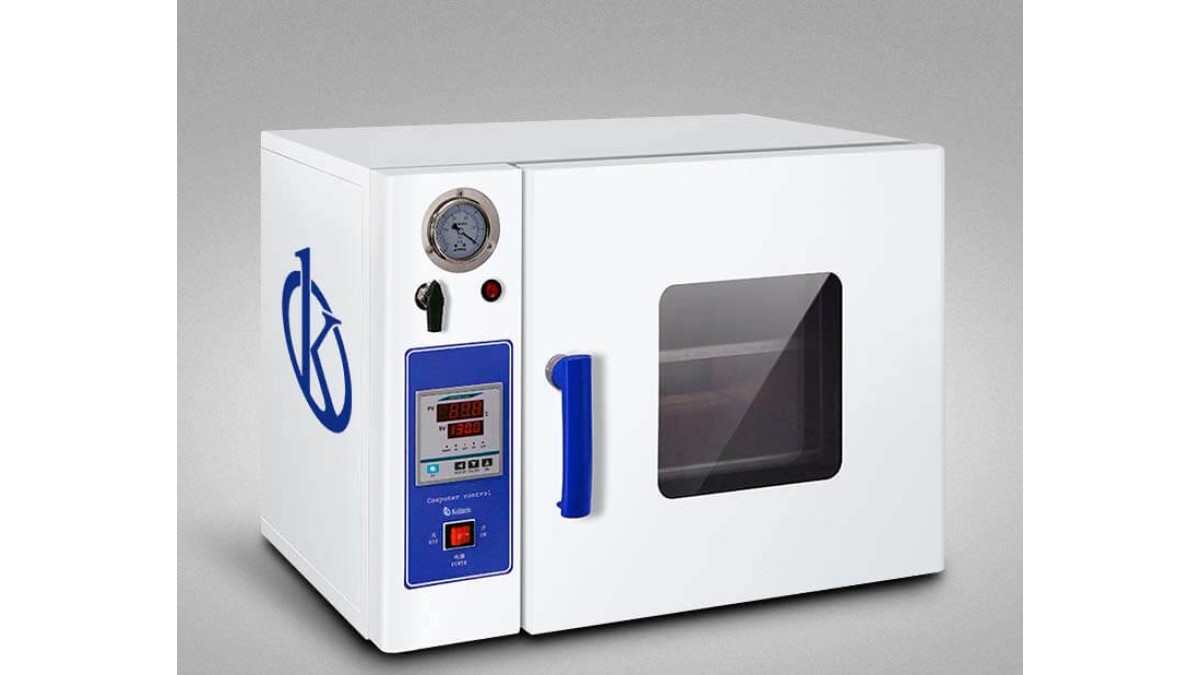
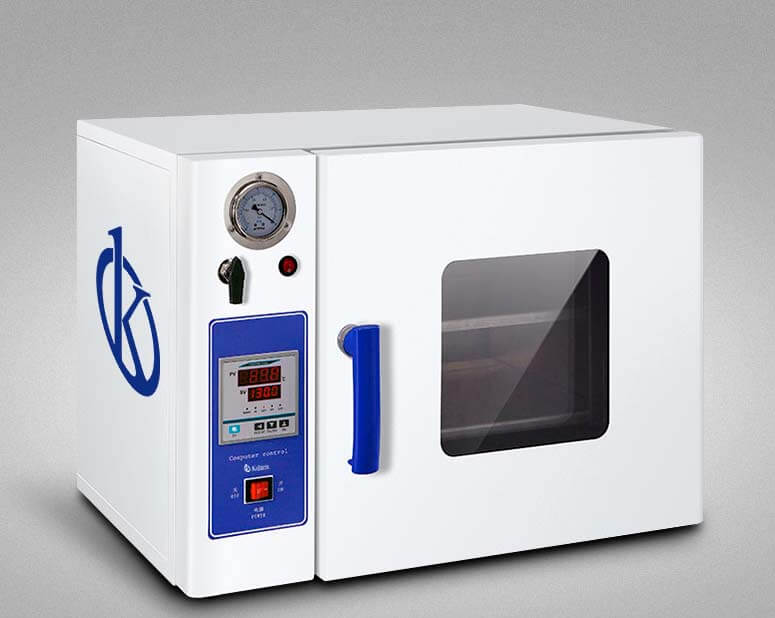
Vacuum Ovens: Best Techniques and Protocols in 2026
What is it used for in 2026
In 2026, vacuum ovens are essential in various laboratory settings, particularly for drying heat-sensitive materials, sterilizing glassware, and rapid drying processes in bioengineering and pharmaceutical applications. Their ability to operate under reduced pressure allows for lower drying temperatures, preserving the integrity of sensitive substances while ensuring efficient moisture removal.
History and evolution of the technology
The vacuum oven has undergone significant evolution since its inception in the early 20th century. Initially designed for simple drying applications, advancements in materials and technology have led to more sophisticated models capable of precise temperature control, enhanced vacuum capabilities, and improved safety features. These enhancements have made vacuum ovens a staple in modern laboratories, especially in fields such as pharmaceuticals, biotechnology, and environmental analysis.
How to use it step by step
Using a vacuum oven effectively involves several key steps:
- Preparation: Ensure the vacuum oven is clean and free from contaminants. Inspect all seals and gaskets for integrity.
- Load samples: Place your samples in appropriate containers that can withstand vacuum pressure. Arrange them to allow adequate airflow.
- Set temperature: Adjust the temperature settings according to the material specifications. Ensure that the temperature is suitable for the sample type.
- Establish vacuum: Gradually lower the pressure inside the oven using the vacuum pump until the desired vacuum level is reached.
- Start drying process: Begin the drying process and monitor it closely. Use timers where necessary to track duration.
- End process: Once drying is complete, gradually reintroduce atmospheric pressure to avoid thermal shock or damage to sensitive materials.
- Post-use care: Clean the interior surfaces after each use to prevent cross-contamination.
Best techniques and protocols
In 2026, the best techniques for using vacuum ovens include:
- Gradual temperature increase: Avoid sudden temperature changes to prevent material damage.
- Moisture monitoring: Use humidity sensors to keep track of moisture levels during the drying process.
- Routine calibration: Regularly calibrate the vacuum and temperature settings to ensure accuracy and reliability.
- Sample rotation: For uniform drying, consider rotating samples within the oven during the process.
Practical applications by laboratory type
Vacuum ovens have widespread applications across various laboratory types:
- Biochemistry labs: Used for drying biological samples without compromising their integrity.
- Pharmaceutical labs: Essential for drying and sterilizing active pharmaceutical ingredients (APIs).
- Environmental labs: Useful in preparing samples for analysis by removing moisture without degradation.
Regulations, standards and certifications
In 2026, vacuum ovens must comply with various regulations and standards such as:
- ISO 9001: Quality management systems requirements.
- ISO/IEC 17025: General requirements for the competence of testing and calibration laboratories.
- FDA regulations: Guidelines for pharmaceutical applications to ensure safety and efficacy.
Comparison with alternative technologies
Vacuum ovens are often compared with other drying technologies like conventional ovens and freeze dryers. Compared to conventional ovens, vacuum ovens provide lower drying temperatures, which helps preserve the quality of heat-sensitive samples. Freeze dryers, on the other hand, offer superior moisture removal without heat, yet are typically more expensive and complex to operate.
Comparison of available models
| Model | Best for | Key specs | Recommended use case |
|---|---|---|---|
| YR05260-A | Heat-sensitive materials | Temp Range: RT + 5 to 250°C, Power: 0.9 kW | Drying delicate samples in pharmaceuticals |
| YR05261-A | Biological samples | Temp Range: RT + 5 to 250°C, Power: 0.9 kW | Drying biological specimens while preserving integrity |
| YR05262-SS | Pharmaceutical applications | Temp Range: RT + 5 to 250°C, Power: 1.4 kW | Production of sterile products |
| YR05263-SS | Research applications | Temp Range: RT + 5 to 250°C, Power: 1.4 kW | General laboratory research processes |
| YR05264-A | Complex materials | Temp Range: RT + 5 to 250°C, Power: 0.9 kW | Drying complex composite materials |
| YR05265-SS | General use | Temp Range: RT + 5 to 250°C, Power: 1.4 kW | Versatile applications across various fields |
Common mistakes and how to avoid them
Common mistakes made when using vacuum ovens include:
- Overloading the oven: Ensure proper loading to allow for airflow.
- Neglecting calibration: Regularly calibrate to maintain accuracy in temperature and pressure.
- Ignoring manufacturer guidelines: Always follow specific instructions provided by the manufacturer for optimal performance.
Maintenance, calibration and good practices 2026
In 2026, maintaining vacuum ovens involves:
- Regular cleaning: Clean the interior and exterior surfaces after each use.
- Calibration checks: Schedule routine checks for both temperature and vacuum pressure.
- Inspect seals: Regularly examine seals and gaskets for wear and replace as needed.
Cost-benefit analysis 2026
The cost-benefit analysis of vacuum ovens in 2026 shows that while initial investment might be high, their efficiency in moisture removal and preservation of sensitive materials leads to long-term savings. Reduced energy consumption compared to conventional drying methods further supports their cost-effectiveness.
Frequently asked questions
What materials can be dried using vacuum ovens?
Vacuum ovens are ideal for drying heat-sensitive materials, biological samples, and complex composites that might degrade under higher temperatures.
How do I determine the appropriate temperature for my samples?
Refer to the material specifications provided by the manufacturer or scientific literature to determine the safe drying temperature for your samples.
Can vacuum ovens sterilize my equipment?
Yes, vacuum ovens can effectively sterilize glassware and other heat-resistant materials by removing moisture and contaminants under controlled conditions.
How often should I calibrate my vacuum oven?
Calibration should be conducted at least annually, or more frequently if used in critical applications where precision is paramount.
What are the signs of a malfunctioning vacuum oven?
Signs include inconsistent temperature readings, inability to reach the desired vacuum level, and unusual sounds during operation.
Is it safe to leave samples unattended in a vacuum oven?
It is generally not advisable to leave samples unattended, especially for prolonged periods, to prevent potential damage or overheating.
How can I request a quote for vacuum ovens?
You can contact our sales team to request a quote tailored to your specific laboratory needs and requirements.
If you are looking for a fusion of innovation and quality, you have come to the right place. At Kalstein, we offer you the luxury of exploring our exclusive catalog of laboratory equipment. We manufacture every device to the highest standards of excellence. Our intuitive and seamless online purchasing channels are designed for your convenience, securing the most competitive prices. Hesitate no longer — we bring science to life, it is time to become part of our community.