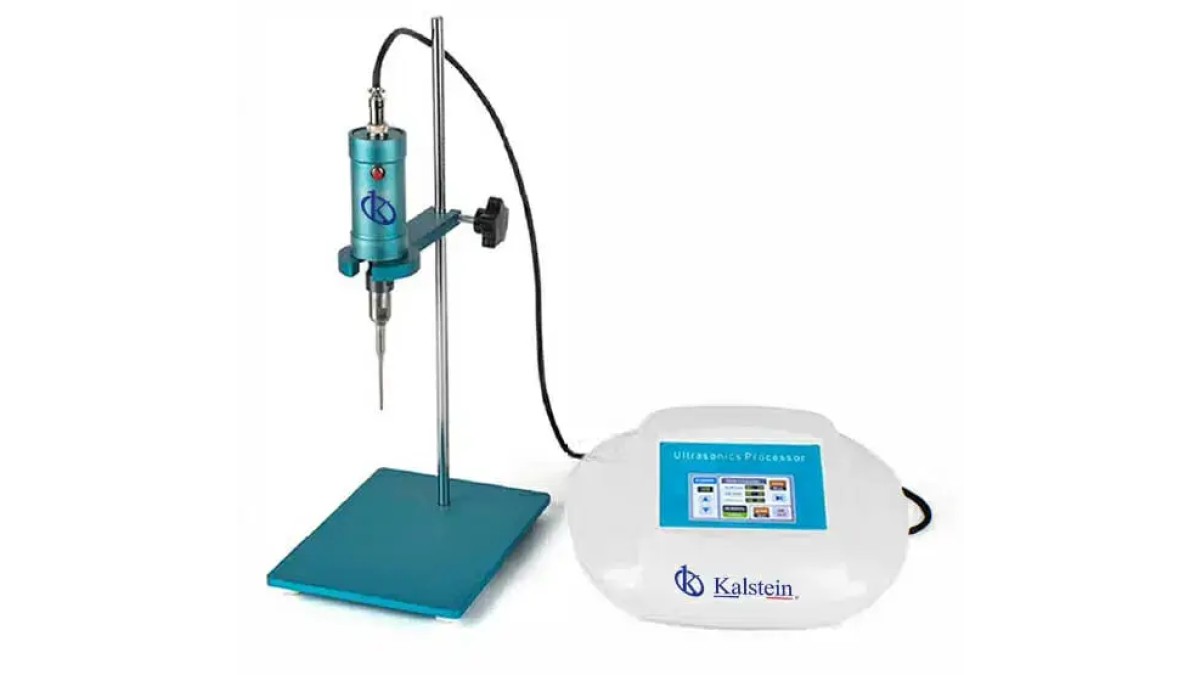
Ultrasonic Homogenizers: Applications in Research, Biotechnology, and Academia 2026
What is it used for in 2026
Ultrasonic homogenizers are versatile tools used in research, biotechnology, and academic laboratories for various applications. These devices utilize ultrasonic waves to create cavitation bubbles in liquids, facilitating processes such as cell disruption, emulsification, and extraction. In 2026, their applications span across different fields, including pharmaceuticals for drug formulation, food technology for emulsions, and environmental studies for sample preparation.
History and evolution of the technology
The ultrasonic homogenization technology has seen significant advancements since its inception. Initially used in the early 20th century for industrial purposes, the technology was adapted for laboratory use in the late 1950s. Over the decades, the development of digital control systems and enhanced transducer technology has improved reliability and precision, making ultrasonic homogenizers indispensable in modern laboratories.
How to use it step by step
Using an ultrasonic homogenizer involves several key steps:
- Preparation: Select the appropriate probe and sample container, ensuring they are suitable for ultrasonic treatment.
- Calibration: Set the ultrasonic power, frequency, and time according to the specific application requirements.
- Sample Loading: Place the sample in a suitable container, ensuring the probe is submerged adequately.
- Activation: Start the homogenizer and monitor the process, adjusting parameters as necessary.
- Post-Treatment: Once completed, turn off the device, clean the probe, and analyze the results.
Best techniques and protocols
Best practices for using ultrasonic homogenizers in 2026 include:
- Using appropriate amplitude settings to avoid overheating the sample.
- Maintaining consistent sample volumes for reproducibility.
- Employing temperature controls when necessary to preserve sensitive samples.
- Regularly calibrating the device to ensure accurate performance.
Practical applications by laboratory type
Different laboratory types utilize ultrasonic homogenizers in diverse ways:
- Pharmaceutical laboratories: For drug formulation and nanoparticle dispersion.
- Food laboratories: For creating stable emulsions and homogenous mixtures.
- Environmental laboratories: For sample preparation and extraction of contaminants.
- Biological research labs: For cell lysis and DNA extraction.
Regulations, standards and certifications
Ultrasonic homogenizers must comply with various industry standards, including ISO and GMP regulations, particularly in pharmaceutical applications. Ensuring that equipment is certified can help maintain quality control and fulfill regulatory requirements.
Comparison with alternative technologies
While ultrasonic homogenizers are effective, alternative technologies like high-pressure homogenization and bead milling also exist. Each method has its advantages:
- Ultrasonic Homogenizers: Ideal for small sample sizes and fine emulsions.
- High-Pressure Homogenizers: Better suited for larger volumes and tougher materials.
- Bead Mills: Excellent for cell disruption but can introduce contamination.
Comparison of available models
| Model | Best for | Key specs | Recommended use case |
|---|---|---|---|
| YR05829 | Cell disruption, emulsification | Power: 5-150W, Frequency: 19-25 kHz | Small-scale experiments in research labs |
| YR05830 | Emulsification, extraction | Power: 5-250W, Frequency: 19-25 kHz | Food technology for emulsions |
| YR05831 | Cell lysis, chemical reactions | Power: 5-400W, Frequency: 19-25 kHz | Biological research applications |
| YR05831-op1 | General use, lab-scale homogenization | Power: 5-400W, Frequency: 19-25 kHz | Standard lab protocols |
| YR05831-op2 | Versatile applications | Power: 5-400W, Frequency: 19-25 kHz | Wide-ranging research contexts |
| YR05832 | High-volume applications | Power: 650W, Frequency: 20-25 kHz | Environmental and industrial applications |
Common mistakes and how to avoid them
Common mistakes when using ultrasonic homogenizers include:
- Not calibrating the device regularly, which can lead to inaccurate results.
- Using inadequate sample volumes, resulting in poor homogenization.
- Ignoring temperature control, which can damage heat-sensitive samples.
- Failing to clean the probe properly after each use, leading to contamination.
Maintenance, calibration and good practices 2026
Regular maintenance and calibration of ultrasonic homogenizers are crucial for optimal performance. Follow these practices:
- Calibrate before every major usage cycle.
- Clean probes immediately after use with suitable cleaning solutions.
- Check electrical connections and ensure proper grounding to avoid malfunctions.
- Inspect for any wear and tear regularly.
Cost-benefit analysis 2026
The investment in ultrasonic homogenizers is justified by their versatility and efficiency in applications. While initial costs may be high, the ability to perform multiple tasks, reduce processing times, and enhance results makes them a valuable addition to laboratory equipment. A proper cost-benefit analysis should include factors such as equipment lifespan, maintenance costs, and the potential for increased output quality.
Frequently asked questions
What is the best ultrasonic homogenizer for small-scale research?
The YR05829 model is ideal for small-scale experiments as it provides sufficient power for cell disruption and emulsification in research labs.
How do I prevent overheating during ultrasonic homogenization?
To prevent overheating, monitor the temperature of the sample, use appropriate amplitude settings, and introduce cooling periods between cycles if necessary.
Can ultrasonic homogenizers be used for emulsifying food products?
Yes, ultrasonic homogenizers are widely used in food technology for emulsifying products, ensuring stable mixtures and enhancing quality.
What precautions should I take when using an ultrasonic homogenizer?
Always wear appropriate personal protective equipment, ensure the probe is clean, and follow manufacturer guidelines to avoid accidents and ensure safety.
How often should I calibrate my ultrasonic homogenizer?
Calibration should be performed before major usage cycles and at regular intervals to maintain accuracy and performance.
Are ultrasonic homogenizers suitable for environmental analysis?
Yes, they are effective for sample preparation and extraction in environmental analysis, allowing for high-quality results.
Where can I find more information on ultrasonic homogenizers?
You can request further information or a quote on Kalstein Plus to explore our exclusive offerings.
If you are looking for a fusion of innovation and quality, you have come to the right place. At Kalstein, we offer you the luxury of exploring our exclusive catalog of laboratory equipment. We manufacture every device to the highest standards of excellence. Our intuitive and seamless online purchasing channels are designed for your convenience, securing the most competitive prices. Hesitate no longer — we bring science to life, it is time to become part of our community.