Electrophoresis
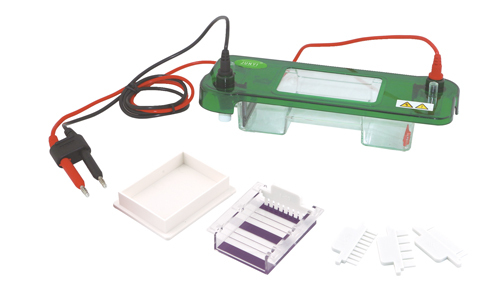
Electrophoresis is a fundamental technique used in laboratories to separate charged particles through a gel under an electric field. This versatile method is essential for analyzing proteins, nucleic acids, and other biomolecules, providing insights critical for research, diagnostics, and biotechnology applications.
Understanding the different types of electrophoresis, such as horizontal and vertical, allows laboratories to select the right equipment for their specific needs. This guide will explore various subcategories, key factors to consider before investing, and showcase products that can enhance your laboratory's capabilities.
Types of electrophoresis your laboratory may need
Horizontal
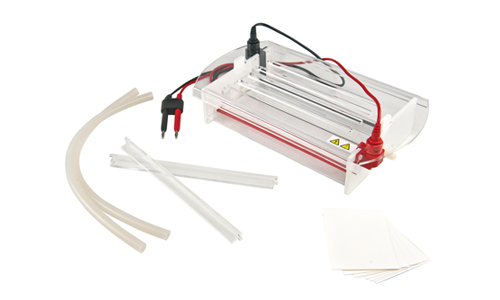
Horizontal electrophoresis is commonly used for separating DNA and RNA. This technique allows for better visualization of bands and is ideal for applications such as restriction fragment length polymorphism (RFLP) analysis. The horizontal setup provides a stable and uniform electric field, ensuring consistent results across samples.
Laboratories often prefer horizontal electrophoresis for its efficiency in processing multiple samples simultaneously. This method is particularly beneficial for educational settings, where the visual clarity of results can enhance learning and understanding of molecular biology concepts.
Vertical
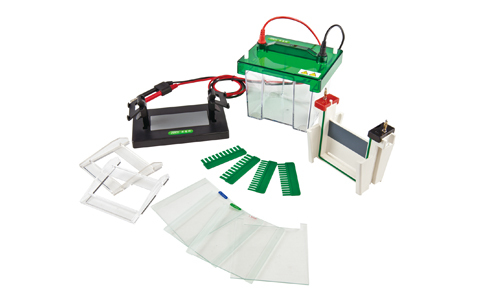
Vertical electrophoresis is primarily used for protein separation and is particularly effective for resolving small gel formats. This method allows for a higher resolution and is suited for applications such as SDS-PAGE, which is essential in protein analysis and characterization.
With the vertical setup, samples are subjected to a strong electric field, which helps achieve sharper bands. This technique is favored in research laboratories where precision and the need for high-quality results are paramount, especially in proteomics studies.
What you should know before selecting a electrophoresis and making an investment
Key factors to consider
When selecting electrophoresis equipment, consider the specific applications and types of samples you will be working with. Factors such as gel size, throughput requirements, and resolution needs are crucial in determining the appropriate setup. Additionally, ensure the equipment aligns with your laboratory's workflow and space limitations.
It's also important to evaluate the ease of use and maintenance requirements of the equipment, as these aspects can significantly impact your laboratory's efficiency and productivity over time.
Market price range
Electrophoresis equipment can vary widely in price based on features and capabilities. Entry-level systems are available for budget-conscious laboratories, while advanced models with enhanced functionalities can be more expensive. It's essential to analyze your budget and determine the best equipment that meets both your needs and financial constraints.
In addition to the initial purchase price, consider the long-term costs associated with maintenance, consumables, and any necessary upgrades over time to ensure the equipment remains effective.
Value for money
Assessing the value for money involves comparing the features of different electrophoresis systems against their costs. Look for equipment that offers durability, reliability, and the necessary features that align with your laboratory's specific applications. Investing in high-quality equipment can lead to long-term savings and improved results.
Consider seeking user reviews and expert recommendations to gauge the performance and longevity of various electrophoresis models. This can provide insights into which systems deliver the best value for your investment.
Expected lifespan based on use and maintenance
The expected lifespan of electrophoresis equipment can vary significantly based on usage and maintenance practices. Regular cleaning, proper handling, and adherence to manufacturer guidelines can extend the life of your equipment. It's advisable to track the operational hours and perform routine checks to identify any potential issues early.
Investing in quality equipment, alongside a solid maintenance plan, can ensure that your electrophoresis systems remain functional and reliable for years, reducing the total cost of ownership.
ELECTROPHORESIS KALSTEIN
Discover electrophoresis for your laboratory
Explore our range of electrophoresis equipment designed to meet the diverse needs of laboratories. Our products are engineered for reliability, ease of use, and high performance, ensuring accurate and reproducible results in your electrophoresis applications.
YR03415 Horizontal Electrophoresis Cell
YR horizontal gel electrophoresis units have been designed by scientists with the laboratory environment in mind. Our YR Horizontal Electrophoresis ta
View productOur best-selling electrophoresis
YR03415 Horizontal Electrophoresis Cell
Characteristic feature
- Abundant buffer not only guarantees cooling effects, but also keeps the pH Value stable during the whole experiment process.
- Unfolded electrodes make repair and parts replacement easy and quick.
- With the sample background color design on the tray, convenient to adding the sample.
- The transparent top lid effectively prevents liquid in the cell from volatilizing and avoids electricity leakage.
- Auto-switch-off when the lid is removed.
| Model | YR03415 |
| Gel Size(W×L) | 48×75mm |
| Sample volume | 3, 5, 9 |
| Buffer Volume | ~150ml. |
| Dimension(L×W×H | 250×90×50(mm) |
| Net weight | 0.4(kg) |
Detailed analysis of electrophoresis for an effective and safe choice
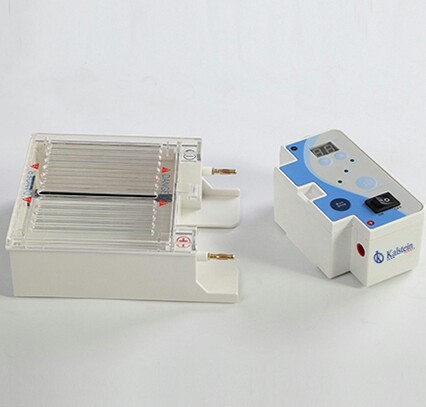
Electrophoresis: steps for a run of gels
Electrophoresis is a molecular biology technique where controlled electric current is used to separate biomolecules according to their size-to-electric charge ratio, using a gelatinous matrix (gel) as a base.
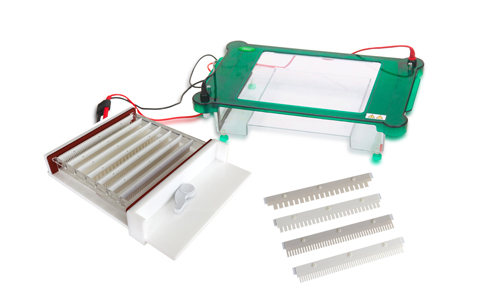
Innovative Horizontal Electrophoresis: Comparing Kalstein's YR03421 and Bio-Rad's Wide Mini-Sub Cell GT
Electrophoresis systems are essential in molecular biology, providing the means to separate and analyze DNA, RNA, and proteins. Among the most notable products are the Horizontal Electrophoresis YR03421 by Kalstein and Bio-Rad's Wide Mini-Sub Cell GT. Each offers unique features that meet different laboratory needs, making it crucial to understand their functionalities and differences. The Horizo
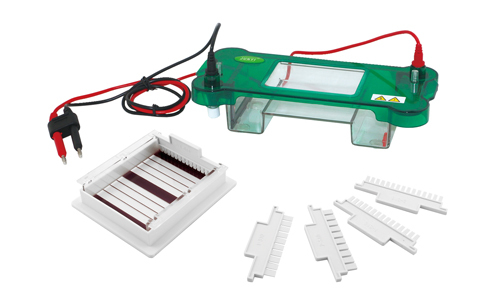
Horizontal Electrophoresis: An In-Depth Look at Kalstein vs Bio-Rad Systems
When it comes to cutting-edge laboratory equipment, the choice of electrophoresis systems plays a crucial role in research outcomes. The Horizontal Electrophoresis YR03416 by Kalstein and the HE 33 Mini Sub Cell Horizontal Electrophoresis System by Bio-Rad are two prominent products in this category. Understanding their specifications, uses, and market performance can help laboratories make inform
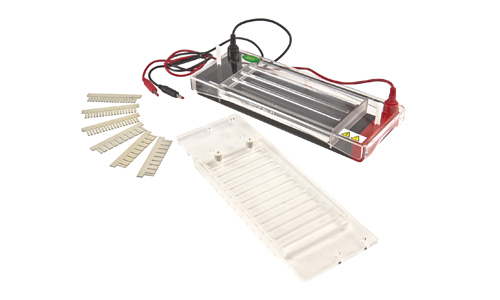
Innovative Solutions in Horizontal Electrophoresis: A Comparison Between Kalstein and Hoefer
Horizontal electrophoresis systems are essential tools in laboratories dealing with the analysis of DNA, RNA, and proteins. Two notable models in the market are the Horizontal Electrophoresis YR03422 by Kalstein and the HE 33 Mini Submarine Horizontal Electrophoresis Unit by Hoefer. Each provides distinct features catering to specific requirements in the biochemical and molecular biology fields.
electrophoresis offer catalog
Guides about electrophoresis
Complete guides to choose electrophoresis
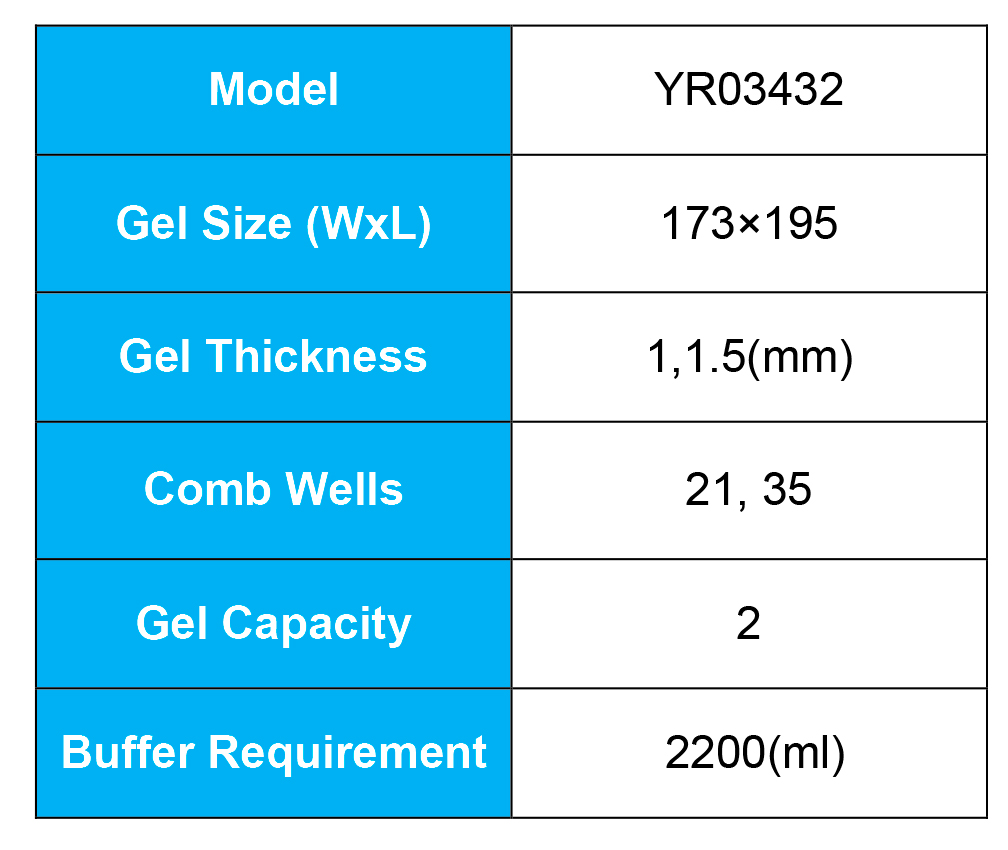
Vertical Electrophoresis: Comparing Kalstein YR03432 and Bio-Rad's Vertical Electrophoresis Cell
When considering high-performance vertical electrophoresis systems, two prominent products stand out: the Vertical Electrophoresis Tank YR03432 by Kalstein and the Vertical Electrophoresis Cell by Bio-Rad. Both are renowned for their effect
Leer más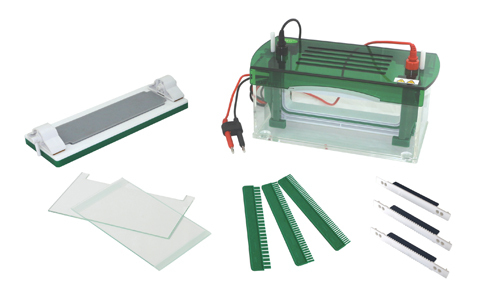
Discovering the Versatile World of Electrophoresis with Kalstein
Electrophoresis, Kalstein Brand Kalstein has made significant strides in the world of laboratory equipment, offering top-notch products designed to meet the ever-evolving needs of scientific research and diagnostic processes. Among these, t
Leer más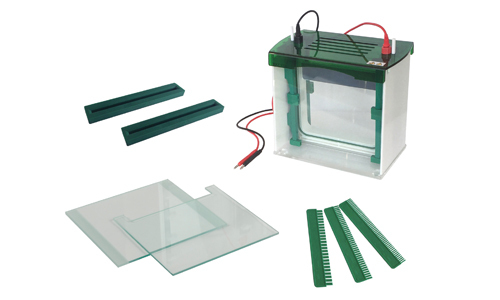
State-of-the-Art Electrophoresis: Fast and Accurate Analysis for Research Laboratories
Electrophoresis has been a fundamental pillar in research laboratories for decades, facilitating the separation and analysis of macromolecules such as DNA, RNA, and proteins. In the field of laboratory technology, electrophoresis equipment
Leer másPower Your Laboratory with Fast and Efficient Electrophoresis Systems
Electrophoresis is a fundamental technique in many molecular biology and chemistry laboratories. For those working in research or diagnostics, efficiency and precision in each analysis are crucial. The Kalstein brand offers a range of elect
Leer másNajczęściej zadawane pytania o Electrophoresis
Jak poznać ceny Electrophoresis?
Aby poznać cenę Electrophoresis, wyślij nam e-mail za pośrednictwem formularza kontaktowego AQUI.
Jakie są czasy dostawy Electrophoresis?
Czas dostawy zależy od dostępności w magazynie i rodzaju transportu (lotniczy lub morski). W magazynie: lotniczy 15-30 dni, morski 45-60 dni. Poza magazynem: lotniczy 30-60 dni, morski 60-90 dni.
Jak dokonać zakupu Electrophoresis?
Możesz kupić e-mailem ([email protected]), telefonicznie (+33 (0) 1 70 39 26 50) lub przez oficjalną stronę Kalstein w swoim kraju.
Jak działa gwarancja na Electrophoresis?
Wszystkie urządzenia Kalstein objęte są 1-roczną gwarancją na wady produkcyjne. Gwarancja nie obejmuje szkód spowodowanych nieprawidłową instalacją lub użytkowaniem. Zobacz nasze «warunki» AQUI.
Czy mogę poprosić o wycenę online Electrophoresis?
Tak, możesz poprosić o wycenę bezpośrednio na naszej oficjalnej stronie. Kliknij AQUI.